
SERIOUSLY,
WHY DOES YOUR HAIR ALWAYS
LOOK SO GREAT AT THE BEACH?
Dear friends,
Wow! That last article Jared wrote, HOW HAIR WORKS, was a hit! You want knowledge. And Jared has a science-nerdy-woodlands-wolf-howler-spoken-word-style that seems to hit.
So we asked him, “Hey, Jared, now answer this question: Why Does Everyone’s Hair Always Look So Good at the Beach?”
And not about that feel good stuff, like how somewhere along the way home, you catch sight of your reflection and think, “Damn, my hair looks great!”
Maybe you just instinctively felt that when you got happy at the beach, your hair got happy, too, and you forgot all about it in the glow of relaxed happiness. And, no, that’s not why.
Hair nerd alert: It’s hair science.
WHY DOES EVERYONE’S HAIR
ALWAYS LOOK SO GREAT
AT THE BEACH?
Have you ever noticed your hair after a day at the beach? Your hair has more volume; any texture, waves, or curls in your hair become accentuated. Your hair seems to fall perfectly into place, effortlessly. You never messed with it, you didn’t even look at it, and somehow it just worked out. Ever wonder why that’s so hard to recreate in your bathroom at home when you are really trying?
Now, I need to tread a little carefully here. We are going to talk about styling fine-to-thick hair, and waves-and-curls. There are so many different camps on styling wavy and curly hair, I couldn’t possibly cover them all. And hey, if what I’m about to share doesn’t fit your routine, that’s totally fine. You do you.
What I want to do is break down what’s actually happening to your hair at the beach that makes it look so damn good.
THE NAME IS BONDS. HAIR BONDS.
Recently, I wrote about the cuticles on the outside of each strand of hair – and exactly why pH is so valuable to hair health. Today, we’re going to go a little deeper – literally. The inside of the strand.=
If you put your hair under a microscope and dissected it, you’d see that underneath the outer cuticles, the hair is made up of protein chains. Like bark on the outside of a tree trunk, that outer cuticle makes up about 10% of the whole strand. The other 90% is made up of keratin (a protein chain) and the forces that hold the proteins in the chain together, called bonds.
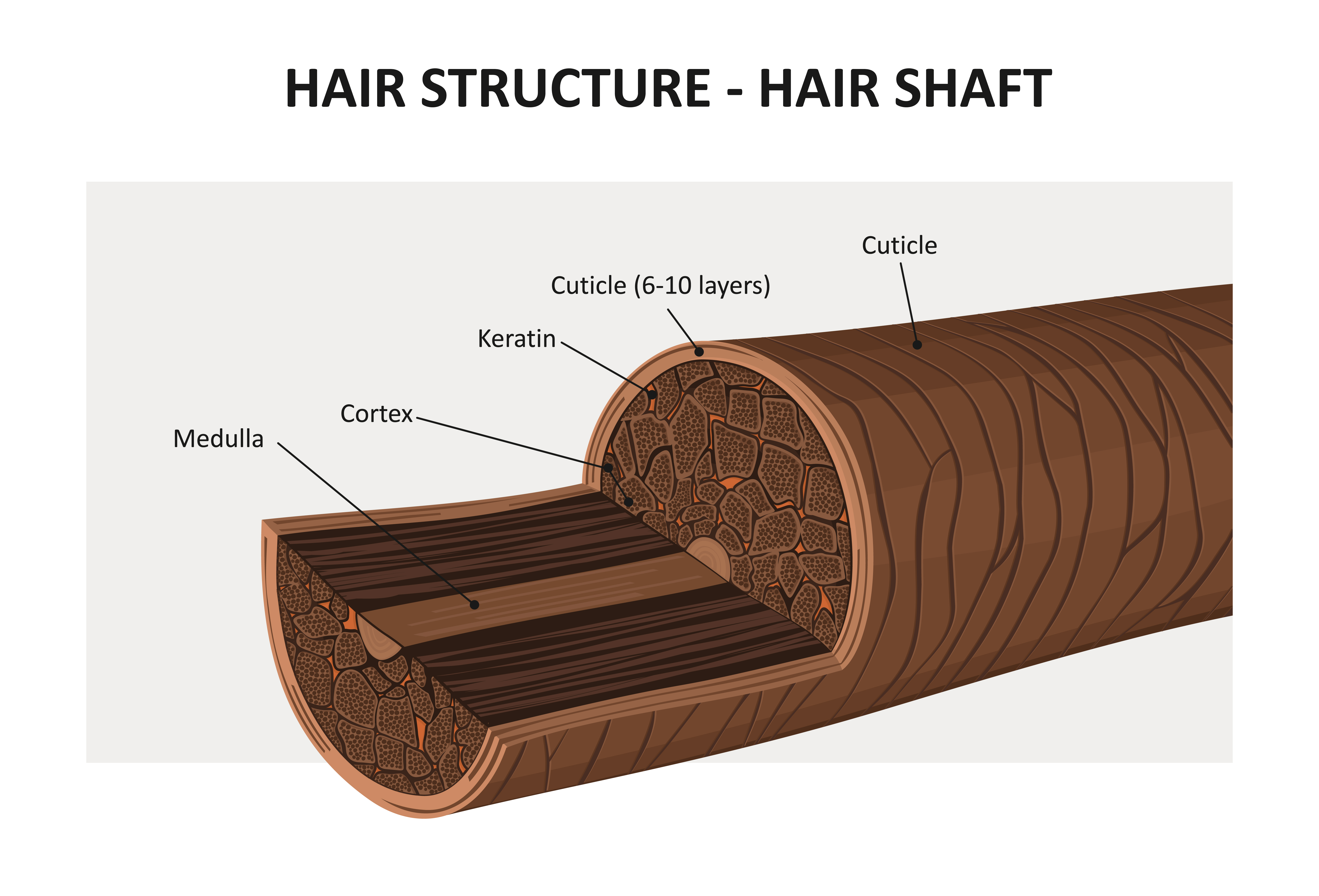
“Bond-building” has made a big splash in the hair industry in the past few years. These are the same bonds we’re talking about.
Think of them like very, very tiny “magnets” that pull the protein chains together in a manner that gives hair many of the traits that you normally use in describing your hair type: strength, shine, shape, pattern.
Hair has three different types of bonds that “magnetize” the proteins that help hair hold its shape:
- Disulfide bonds
- Salt bonds
- Hydrogen bonds
Today, we’re just going to focus on the hydrogen bond because it’s a major one involved in styling hair. (Disulfide bonds and salt bonds are the types that are broken during salon chemical services; they don’t have much to do with the beach, so we’ll tell you about those another day.)
YOU’RE NOT STYLING YOUR HAIR AFTER A SHOWER.
YOU’RE ORGANIZING YOUR HYDROGEN BONDS.
The hydrogen bond is the weakest of the three. It breaks easily in water or heat. Think of it like tiny “magnetic” clasps inside each hair strand. When your hair is dry, those magnets click together and hold the shape in place. But when you add water or heat, the “magnets” let go.
The hydrogen bonds are broken and reformed every time you wet your hair. Then they stick back together and click into shape in whatever position your hair dries and cools in.

If you’ve ever gone to bed with wet hair, you’ve seen hydrogen bonds in action. As your hair dries overnight, it slowly resets. The tiny magnets start reconnecting, locking your strands into whatever shape they were in while drying. So when you wake up, your hair has molded to your pillow and sticks out in strange directions.
You’ve probably noticed that no amount of combing, brushing, or flattening will completely smooth out the bed-head shape. That’s because the hydrogen bonds are attached and locked into that shape.
To undo that, you have to break those bonds again. That means rewetting your hair or using heat to pop the magnets apart. Once they’re free, you can reshape your hair however you like by air drying, blow dry, or ironing it into place. The magnets will click back together as it sets, dries, or cools, locking in your look.
THE ESSENCE OF THE BEACH’S
HAIR MAGIC.
So what does all this have to do with your hair looking fabulous on the beach? Everything.
When you get into the ocean and wet your hair, you temporarily break the hydrogen bonds. Your hair becomes soft, stretchy, and moldable. But only while it’s wet.
Then there’s the salt. Ocean water coats your hair, and as the water evaporates, it leaves behind a fine, light, gritty cast. That cast helps hold your hair together as it dries. That, right there, is the beach magic.
Just like an ocean wave isn’t a single drop of water, your hair’s waves or curls aren’t just one strand doing its thing. It’s a clump of hair working together in an S or Z pattern. The real trick to great waves and curls is keeping those clumps intact. When they stay together, they form beautiful waves and ringlets. When they fall apart, you get frizz.

CHILLING AT THE BEACH MEANS JUST LETTING IT DRY.
That’s the secret to great curls and great waves: find a way to keep those S and Z clumps together. The hardest part is resisting the urge to mess with them while your hair is drying and those hydrogen bonds are doing their magnetic thing.
That’s a big part of what’s so different at the house. Right after you take your normal shower, you’ve got your natural curl or wave pattern going on. Your hair is still soft and moldable because the hydrogen bonds haven’t locked in yet. So you’re standing in the mirror, scrunching your hair to bring out its texture. Nothing wrong with scrunching when the hair is wet or dry. It’s a great way to encourage shape or break a cast.
CHILLING AT HOME SOMETIMES IS A GOOD IDEA TOO: The challenge starts when you keep scrunching while your hair is drying. As it dries, those hydrogen bonds are snapping back into place. If you’re constantly scrunching through that process, you’re breaking up your curl clumps before they can set. What started as a bunch of hairs waving together becomes a bunch of hairs waving independently. That’s how you get frizz and uncooperating curls.
This is actually the real reason your beach hair looks so good. You’ve got a saltwater cast forming, and you’re not messing with your hair while it dries in that lovely ocean breeze.
BRING THE BEACH HOME.
So how do you recreate your beach look at home?
At the beach, saltwater creates that cast that helps hold your curl clumps together and the fine sand creates grit that helps with volume. But as dreamy as that sounds, seawater isn’t ideal for your hair long term. It has a high pH and a lot of drying salt, which can rough up the cuticle and dry things out over time. We also don’t think sprinkling sand in your hair at home is necessarily a realistic option.
We created CULT+KING JELLY as a smarter alternative to the salt in seawater. JELLY is a salt serum made with a low pH and a ton of moisturizing ingredients to offset the Pink Himalayan Salt it contains. It gives a light cast and helps maintain definition, just like the beach, but much more hair-friendly. JELLY also recreates that volume, it makes hair bigger.

MADE TO MIX.
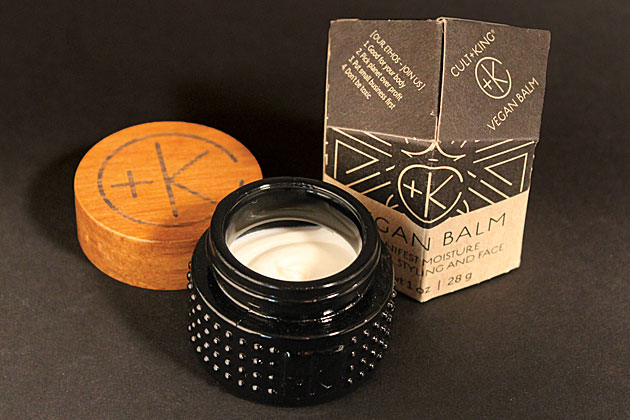
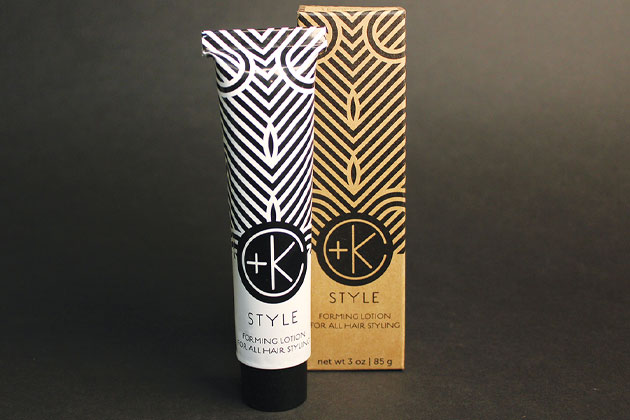
For more definition, coarser curls, or more moisture, we suggest mixing JELLY in your hands with STYLE or VEGAN BALM before applying. This combo gives you extra hold and control without compromising moisture or curl clumping.
MORE BEACHY STYLING TIPS.
- If you like a leave-in conditioner, use our BALM before JELLY. Curls love moisture.
- For finer hair, BALM is good when reduced with TONIK or SUPERWATER. Just spray into your hand with BALM, rub it together so you have a light coating on your hands, and apply it to your hair.
- For waves and curls, it’s great to scrunch, plop, use prayer hands, or whatever technique you love to apply your moisturizing and casting products on wet hair. That’s the ideal time to shape your curls and waves. The prep is important.
- From there, you want to let your hair air dry or use a diffuser. For tighter curls, you can diffuse until your hair is about 90% dry. When diffusing, gently lift your curls toward your scalp, but be careful not to disturb the curl pattern. Low air flow – high heat with a cool shot at the end always works for us. The 90% part is very important when drying. That last little 10% part from 90 to 100% dry is where the real magic happens. That’s when the hydrogen bonds finish lining up and lock in your style. So it’s super important not to scrunch or play with your curls during that final stage. What does 90% dry mean? It’s when your hair still feels slightly moist to the touch, but your fingers come away completely dry. No water transfer.
FOR SOFT GRIT WITHOUT
THE SALT AND SAND,
TRY PUMPABLE HAIR POWDER.
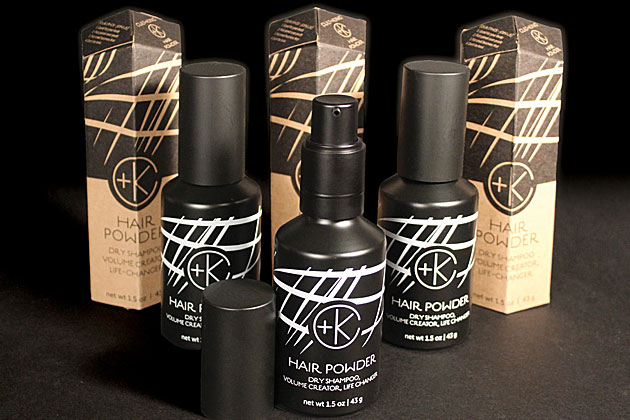
Instead of itchy sand, we use a combo of clays. The glacial sea silt in PUMPABLE HAIR POWDER is very fine. It gives a light, touchable, soft grit that helps with volume and texture.
Besides volume, it is a dry shampoo and can be used to refresh hair after washing. In fact, the best time to use dry shampoo is right after you’ve washed and styled your hair and it’s still clean. Apply it all over the scalp and hair. That way, the oils from your scalp on days 2, 3, 4 and even more go directly into our HAIR POWDER and are not absorbed by the hair itself. You can always reapply when you need a refresh or more volume.